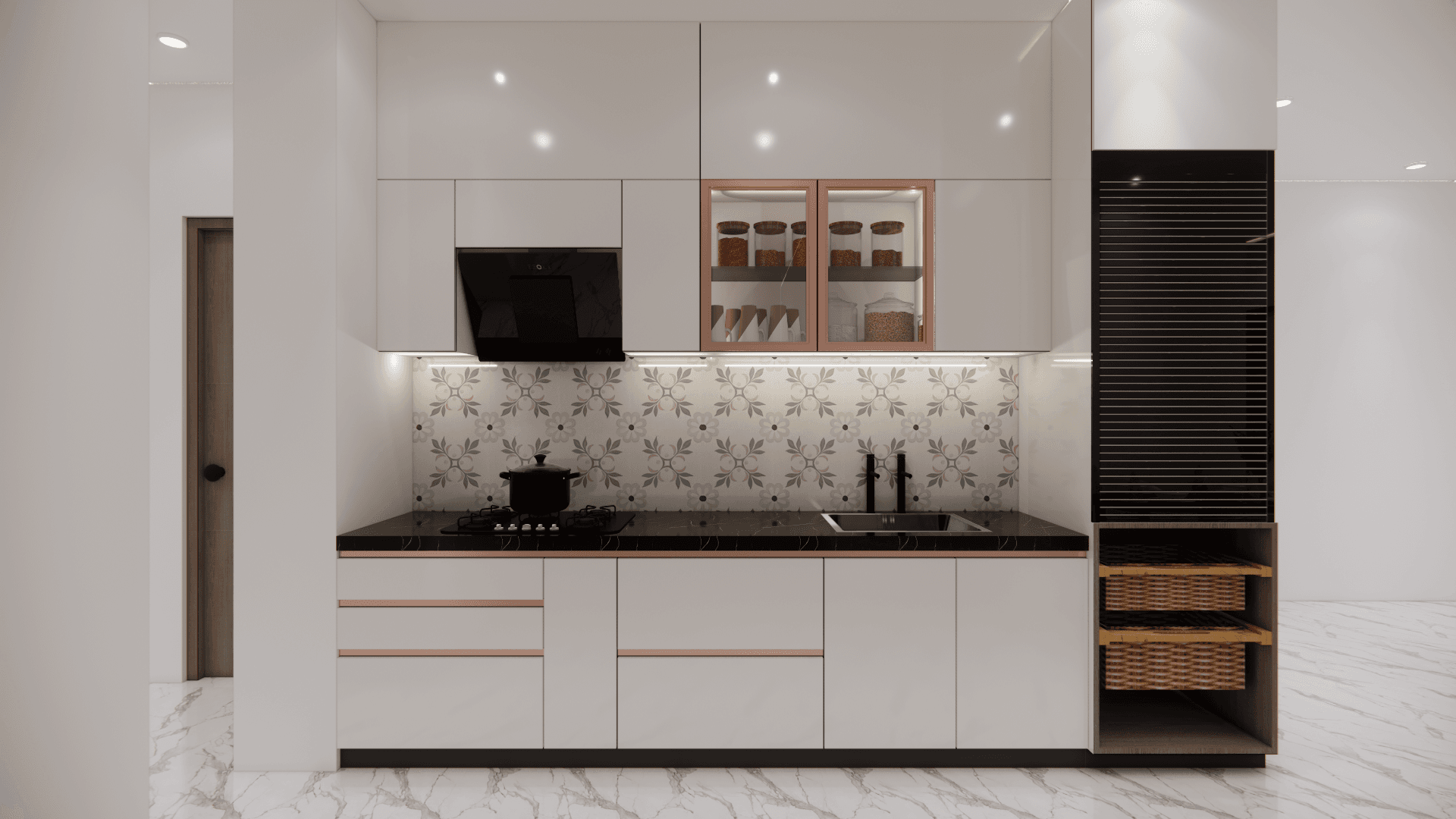
The kitchen is often called the heart of the home, and in India, this couldn't be truer. It's a high-traffic zone where magic happens-from the morning chai rush to elaborate festival feasts. Choosing the right Modular Kitchen is, therefore, one of the most critical decisions you'll make for your home interiors.
But with endless options for layouts, materials, and finishes, where do you start? This comprehensive guide breaks down everything you need to know to make an informed choice that balances aesthetics, functionality, and budget.
Step 1: Analyze Your Layout
Before you look at colors, look at the space. The shape of your kitchen dictates the most efficient layout. Don't force a layout that doesn't fit your floor plan.
- L-Shaped Layout: The most popular choice for Indian apartments. It utilizes two adjacent walls and offers a natural "work triangle". It keeps the center of the kitchen open, making it great for small to medium-sized families.
- U-Shaped Layout: If you have a large kitchen space, this is the gold standard. It utilizes three walls, providing maximum storage and counter space. It allows distinct zones for cooking, washing, and chopping.
- Straight (Linear) Kitchen: Ideal for studio apartments or narrow spaces. All appliances and storage are arranged along a single wall. It's compact and efficient but offers less counter space.
- Parallel (Galley) Kitchen: Used by professional chefs for its efficiency. Two counters run parallel to each other, minimizing movement between zones. Ideally, the hob (cooking) and sink (washing) should be on opposite counters.
- Island Kitchen: The dream regarding aesthetics. It requires a large open space. The island can serve as a breakfast counter, a second sink area, or extra storage.
Step 2: Choose the Core Material (The Carcass)
This is the skeleton of your kitchen-the boxes behind the shutters. Indian kitchens face intense conditions-heat, moisture, oil, and heavy spices. Your material choices must reflect this.
- BWP (Boiling Water Proof) Plywood (Marine Ply): This is the best choice for base cabinets (the ones under the counter). It is highly resistant to water and termites. Look for IS:710 grade plywood.
- BWR (Boiling Water Resistant) Plywood: A cost-effective alternative for areas with less moisture exposure.
- HDF-HMR (High-Density Fiberboard - High Moisture Resistance): Suitable for wall units (upper cabinets) where water contact is minimal. It provides a smoother surface for finishes than plywood but is less durable in wet areas.
- Avoid: Particle board (Laminated Partical Board) or MDF for the wet areas (sink unit) as they tend to swell upon water contact.
Step 3: Select Your Finish (The Skin)
The finish determines the look of your kitchen as well as maintenance efforts. This is what you see on the outside.
- Acrylic: High-gloss, mirror-like finish. Looks extremely premium and makes small kitchens look bigger by reflecting light. Cons: Prone to scratches and fingerprints; requires regular cleaning.
- High-Gloss Laminates (Sunmica): A durable and budget-friendly alternative to acrylic. Available in thousands of solid colors and wood textures. Highly resistant to heat and scratches.
- PU (Polyurethane) Paint: A painted finish that looks seamless and sleek. It wraps around the edges, so there are no visible edge bands. Perfect for vintage or classic styles with grooved shutters. Cons: Expensive and can chip if hit hard.
- Glass: Back-painted glass for wall units adds a touch of modern luxury and breaks the monotony of solid colors.
Step 4: Countertop Choices
The slab is where all the prep work happens. It needs to be tough.
- Quartz: Engineered stone. It is non-porous (doesn't absorb turmeric stains!), hard, and available in uniform colors. It is the trending choice for modern kitchens.
- Granite: The traditional champion. Extremely hard, heat resistant, and cost-effective. However, color options are limited to natural speckles.
- Nano White (G5): A pure white, glass-like material. It looks stunning but is brittle and requires expert installation.
Step 5: Smart Storage Accessories (Hardware)
A modular kitchen is only as good as its fittings. Do not compromise here.
- Tall Units: A pantry unit that stretches from floor to ceiling. Perfect for storing groceries, pickles, and dry snacks in one place.
- Corner Units: Corners are often dead space. Use "Magic Corners" or "S-Carousels"-mechanisms that pull out the contents of the deep corner to you.
- Drawer Systems: Use Tandem boxes (soft-close drawers) instead of wire baskets. They are sturdier, easier to clean, and look much better.
- Bottle Pull-outs: Narrow racks (200-300mm wide) near the hob for keeping oil bottles, sauces, and spices handy.
Maintenance Tips for Indian Kitchens
To keep your kitchen looking new for years:
- Wipe immediately: Turmeric and oil stains can be stubborn. Wipe spills as soon as they happen.
- Use mats: Place anti-slip mats inside drawers to protect the laminate from scratches and spills.
- Chimney is must: Indian cooking produces oil flumes. A high-suction chimney prevents that oil from settling on your expensive cabinets.
Final Verdict
Investing in a modular kitchen is investing in your peace of mind. A clutter-free, organized kitchen makes cooking a joy rather than a chore. At Kitchen Kraft, we customize every inch of your kitchen to suit your height, cooking style, and family size.